
Get Disability Remodeling Service
Disability Remodeling Service connects property owners with local contractors who modify homes to improve accessibility, safety, and comfort for individuals with mobility challenges.
If you are considering remodeling your property to improve accessibility or accommodate specific needs, you are in the right place. Property owners in the area often explore remodeling services to create safer, more functional spaces that support independence and comfort. Whether updating bathrooms, modifying entrances, or installing assistive features, planning these projects carefully can make a meaningful difference. This page helps you compare local service providers who specialize in disability remodeling, making it easier to find the right fit for your project.
Exploring options for disability remodeling involves understanding the range of services available and identifying experienced local contractors who can handle your specific requirements. By reviewing your choices and gathering information about different providers, you can make informed decisions that align with your goals. Keep reading to learn more about how local professionals can assist with remodeling projects designed to enhance accessibility and usability in your property.
- Bathroom Accessibility Remodels - needed when a homeowner requires modifications to improve safety and ease of use for mobility challenges.
- Wheelchair-Accessible Home Renovations - appropriate when a residence needs to be adapted for wheelchair navigation and transfer.
- Kitchen Modifications for Disabilities - necessary when existing kitchen layouts do not accommodate mobility aids or ergonomic needs.
- Ramps and Entryway Alterations - essential when individuals require accessible entrances to their homes or buildings.
- Bathroom and Shower Alterations - required when existing fixtures and layouts need adjustments to support independence and safety.
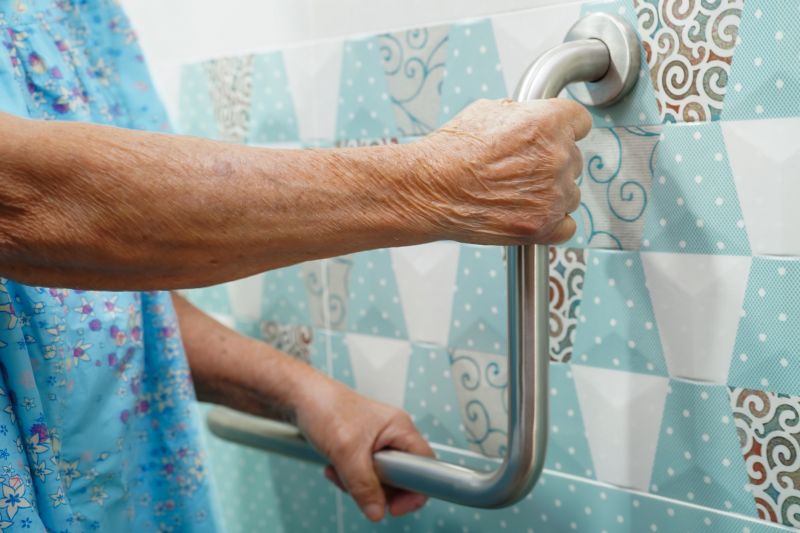
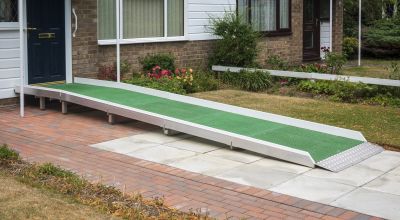
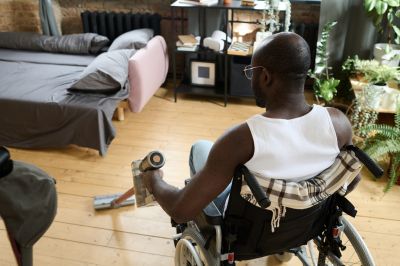
Disability remodeling services involve modifying existing homes or properties to improve accessibility and safety for individuals with mobility challenges or other disabilities. These modifications often include installing ramps, widening doorways, lowering countertops, and adding grab bars or handrails. Such updates help create a more functional and comfortable living environment, allowing residents to move freely and independently within their homes. Local contractors specializing in disability remodeling understand the importance of practical, unobtrusive changes that can significantly enhance daily life.
This type of remodeling addresses common problems faced by people with disabilities, such as difficulty navigating stairs, reaching essential areas, or maintaining safety in everyday activities. It can also help prevent accidents by reducing tripping hazards and providing support where needed. Whether the goal is to accommodate a temporary injury or to adapt a home for long-term use, these services can make a substantial difference in safety and convenience. Homeowners often seek disability remodeling when existing layouts no longer meet their mobility needs or when aging-in-place becomes a priority.
Disability remodeling services are typically used in a variety of property types, including single-family homes, apartments, condominiums, and multi-unit dwellings. These modifications are suitable for both ground-floor residences and multi-story buildings, depending on the specific needs of the resident. Property owners who want to ensure their homes are accessible for family members, caregivers, or visitors with mobility challenges often turn to local service providers for expert assistance. The goal is to create a space that promotes independence and safety for all occupants.
Homeowners considering disability remodeling services should evaluate their current property layout and identify areas where accessibility improvements are needed. Common signs include difficulty climbing stairs, trouble reaching fixtures, or the presence of hazards that could cause falls. When these issues are present, contacting local contractors who specialize in accessible modifications can help develop practical solutions tailored to individual needs. These professionals can assess the property and recommend modifications that enhance usability without compromising the home’s aesthetic or functionality.
The overview below groups typical Disability Remodeling Service projects into broad ranges so you can see how smaller, mid-sized, and larger jobs often compare in your area.
In many markets, a large share of routine jobs stays in the lower and middle ranges, while only a smaller percentage of projects moves into the highest bands when the work is more complex or site conditions are harder than average.
Smaller Repairs - Typical costs for minor modifications or repairs range from $250 to $600. Many routine jobs fall within this middle range, depending on the specific work needed and local contractor rates.
Accessibility Upgrades - Installing features like grab bars or ramps usually costs between $1,000 and $3,000. Larger, more complex upgrades can reach $5,000 or more, though fewer projects fall into this higher tier.
Full Bathroom Remodels - Complete bathroom renovations tailored for accessibility generally cost between $10,000 and $20,000. These projects often involve multiple upgrades and can vary based on scope and materials used.
Major Structural Changes - Extensive modifications such as relocating walls or installing elevators can range from $25,000 to $50,000+ depending on complexity. Most projects in this category tend to be at the higher end of the spectrum, but many fall into more moderate cost ranges.
Actual totals will depend on details like access to the work area, the scope of the project, and the materials selected, so use these as general starting points rather than exact figures.
Bathroom Accessibility Remodels - local contractors can modify bathrooms with features like walk-in showers and grab bars to improve safety and mobility.
Kitchen Modifications for Disabilities - service providers can adapt kitchen layouts with lowered countertops and accessible storage to accommodate mobility needs.
Ramps and Threshold Transitions - local pros can install ramps and threshold modifications to ensure smooth transitions and wheelchair accessibility.
Home Entryway Renovations - contractors can create accessible entry points by widening doorways and adding ramps or level thresholds.
Flooring and Surface Adjustments - service providers can replace or modify flooring to reduce tripping hazards and support mobility aids.
Bedroom Accessibility Improvements - local specialists can design or adapt bedrooms with adjustable heights and clear pathways for easier access.
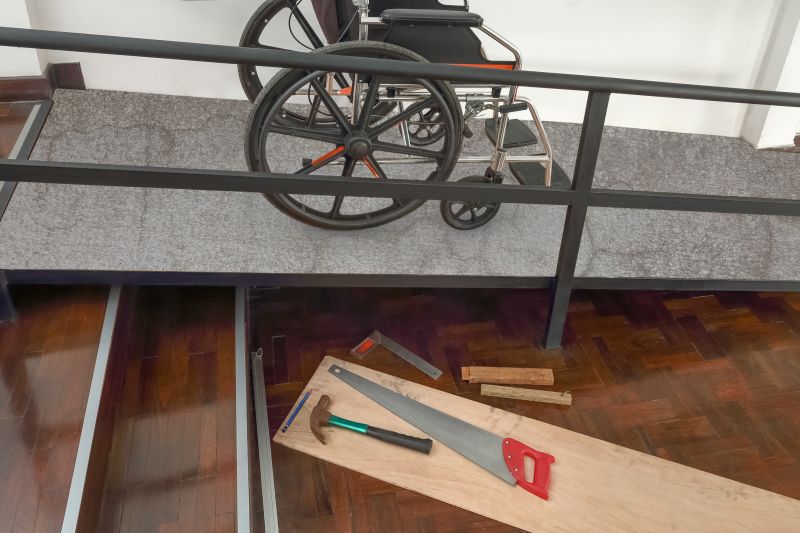
When evaluating service providers for disability remodeling projects, it’s important to consider their experience with similar types of work. Homeowners should look for local contractors who have a proven track record in completing projects comparable to their own. This experience can indicate familiarity with the specific challenges and requirements involved, helping to ensure that the work will be handled competently and efficiently. Asking for details about past projects can provide insight into the contractor’s expertise and whether they have successfully managed similar remodeling needs.
Clear, written expectations are essential to a smooth remodeling process. Homeowners should seek out local pros who provide detailed proposals that outline the scope of work, materials to be used, and any other relevant specifics. Having this information in writing helps prevent misunderstandings and ensures everyone is on the same page from the outset. It also allows homeowners to compare different service providers more effectively, making it easier to identify which contractors are transparent and thorough in their communication.
Reputable references and good communication are key indicators of a reliable remodeling partner. Homeowners are encouraged to ask local contractors for references from previous clients who had similar projects done. Contacting these references can reveal insights into the contractor’s professionalism, reliability, and quality of work. Additionally, effective communication throughout the process-prompt responses, clarity, and openness-can significantly influence the overall experience. By focusing on these qualities, homeowners can better identify service providers who are committed to delivering a positive remodeling experience.
Property owners use Disability Remodeling Service services for practical projects around their homes and businesses. This guide focuses on everyday jobs and straightforward project options.
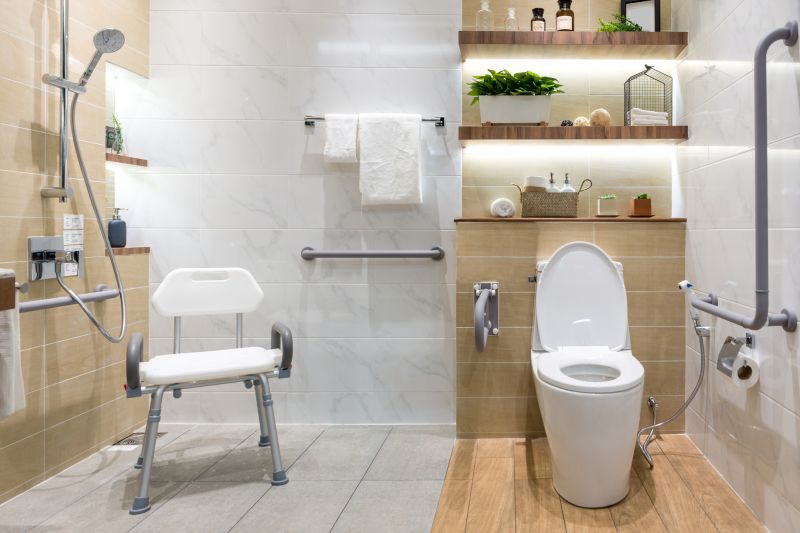
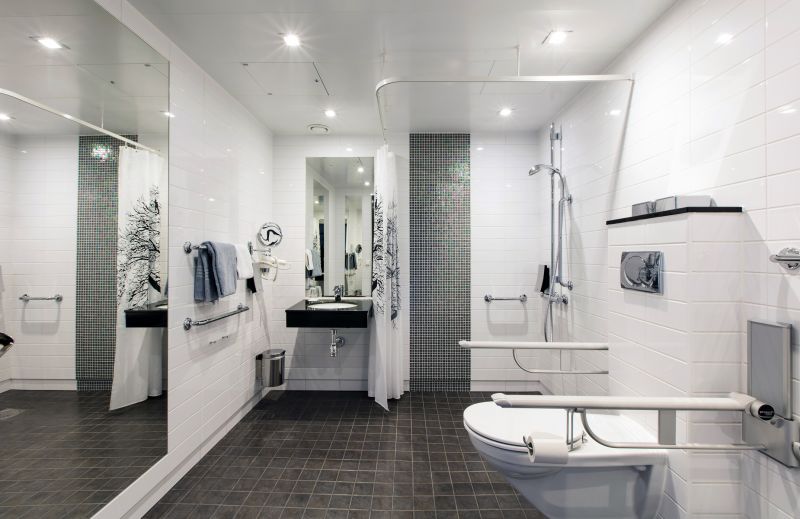
Disability remodeling services are often needed when property owners face everyday challenges in their homes due to mobility issues, age, or temporary injuries. Local contractors can assist with modifications such as installing ramps, widening doorways, or adding grab bars to improve safety and accessibility. These updates can make daily activities easier and help residents maintain independence within their own homes.
Many property owners seek disability remodeling solutions to accommodate changing needs or to prepare their homes for future use. Whether it’s creating a more accessible bathroom or adjusting kitchen layouts, local service providers are available to handle a variety of modifications. Connecting with experienced professionals can ensure that these important updates are done efficiently and to the property owner’s specifications.
What types of disability remodeling services are available? Local contractors offer a range of modifications including wheelchair ramps, bathroom grab bars, stair lifts, widened doorways, and accessible kitchen features to support mobility and independence.
How can disability remodeling improve safety at home? Service providers can install safety features such as non-slip flooring, accessible showers, and handrails to help prevent accidents and create a safer living environment.
Are there modifications suitable for different types of disabilities? Yes, local professionals can tailor remodeling solutions to accommodate various needs, including mobility, vision, and dexterity challenges.
What should I consider when planning disability modifications? It’s important to evaluate current living spaces, identify specific accessibility needs, and consult with local contractors to determine suitable modifications.
How do local service providers ensure accessibility standards are met? Contractors follow industry best practices to install features that enhance accessibility and ensure the home is more functional for individuals with disabilities.
Bathroom Accessibility Upgrades - Improve safety and convenience with modifications like grab bars, walk-in showers, or adjustable fixtures for easier daily use.
Wheelchair-Accessible Home Modifications - Create open, barrier-free pathways and entryways to make moving through the home more manageable.
Kitchen Remodeling for Mobility - Design or adapt kitchens with lower countertops, accessible appliances, and easy-to-reach storage for better independence.
Bedroom and Living Space Adjustments - Incorporate features such as wider doorways, lowered switches, and accessible furniture to enhance comfort and usability.
If you are thinking about Disability Remodeling Service for a property, this guide is meant to help you understand the work, the typical project types, and how different options might fit your plans.
When you are ready, you can use the quote form on this page to share a few details about your project. From there, local pros can review the basics and respond with options that match what you have in mind.